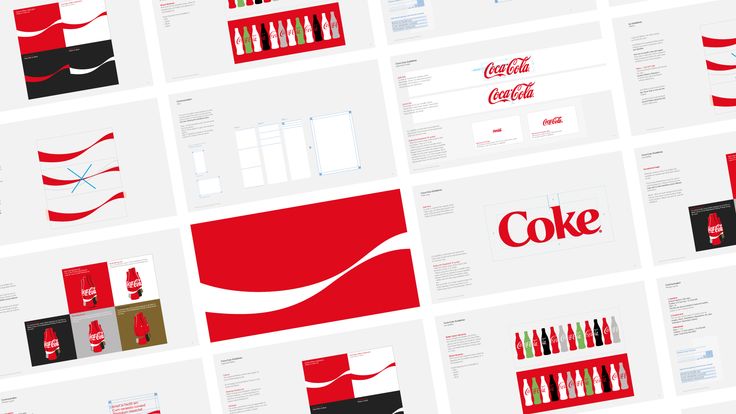

A visual identity is not a logo. This is the most common misconception, and it's worth addressing directly.
"Visual identity" is one of those terms that gets used a lot in design and branding conversations but rarely gets explained in plain language. What is it, exactly? How is it different from a logo? And why does it matter so much for organizations whose primary currency is trust?
This guide answers those questions, focusing on what visual identity means for churches, nonprofits, faith-based businesses, and other mission-driven organizations.
Start Here: What a Visual Identity Is Not
A visual identity is not a logo. This is the most common misconception, and it's worth addressing directly.
A logo is one element of a visual identity. It's the mark — the symbol or wordmark — that represents the organization. It's important, but an organization that has only a logo has not yet built a visual identity.
A visual identity is also not a "brand refresh." Refreshing your colors or updating your logo is a change within your visual identity, not a visual identity itself.
Additionally, a visual identity is not the same as brand guidelines, though guidelines are part of how a visual identity is documented and deployed.
What a Visual Identity Actually Is
A visual identity is the complete, cohesive system of visual elements that represents an organization across every context where it appears. It includes:
The Logo System
Not just a single logo, but a family of marks designed to work in different contexts:
Primary mark — the full logo used in most applications
Secondary mark — an alternate configuration (horizontal vs. stacked, for example)
Icon or emblem — a simplified mark for use at small sizes, social profile images, favicons
Reversed versions — logo variants that work on dark or colored backgrounds
The point of a logo system is flexibility without inconsistency. When your logo only works in one layout or one color, people start improvising—stretching it, recoloring it, or swapping in the wrong version. A strong logo system gives your team the right option for every context, so the brand stays recognizable everywhere.
The Color System
A defined palette — not just "we use blue and gold," but precise specifications:
Primary colors — the dominant colors of the brand
Secondary colors — supporting colors for variety and hierarchy
Neutral colors — whites, grays, and blacks used for text and backgrounds
Color values — HEX codes for digital, RGB for screens, CMYK for print, Pantone for exact color matching
Without precise specifications, the "same" color will appear differently across different media, and the brand will look inconsistent even when people are trying to follow the brand guidelines.
The Type System
A defined set of typefaces and rules for how they're used:
Display typeface — used for headlines and large-scale type, often more expressive
Body typeface — used for body copy, designed for readability at smaller sizes
Type hierarchy — how the typefaces are used together: which is largest, which is smallest, how they're weighted and spaced
Typefaces have personality. A serif typeface communicates heritage, craft, and permanence. A geometric sans-serif communicates precision and modernity. The right type system carries the brand's character even in contexts where the logo doesn't appear.
The Imagery Direction
A definition of the visual world the brand inhabits:
Photography style — the mood, tone, and aesthetic of approved photography
Subject matter — what (and who) appears in brand imagery
Illustration style — if the brand uses illustration, the defined aesthetic
Graphic elements — icons, patterns, dividers, textures, or other recurring visual motifs
Imagery is often where brands drift first. It’s easy to place “whatever looks good” in the moment, but photography style, subject matter, and graphic motifs communicate tone and values just as strongly as color and type. When imagery is defined, every new post, slide, or page feels like it belongs in the same visual world.
The Brand Guidelines
Documentation of all of the above: how the elements are used, how they're combined, what's approved and what's not. This is what makes the visual identity reproducible by anyone working on behalf of the organization.
Why Visual Identity Matters for Mission-Driven Organizations
Trust is built through consistency
For churches, nonprofits, and faith-based businesses, trust is the foundation of everything — giving, attendance, community, partnership. Trust is built through repeated, consistent experiences of an organization being exactly what it presents itself to be.
Visual identity is how you deliver that consistency visually. When every touchpoint — website, social media, bulletin, signage, email — feels like it comes from the same coherent organization, you are building the kind of familiarity that precedes trust.
A system scales where assets don't
A logo is a single asset. A visual identity is a system that generates unlimited assets, all coherent with each other. As your organization grows — new staff producing materials, new platforms requiring new formats, new campaigns needing new content — a visual identity system scales with you. A pile of logos does not.
It communicates before you say a word
Research on visual communication consistently finds that people form impressions of organizations within milliseconds of the first encounter — before they've read a single word of copy. Those impressions are based entirely on visual signals: color, form, typography, imagery, and layout.
A well-designed visual identity is one that makes those first impressions work for you, communicating the right things about your organization's character, values, and quality before the visitor has consciously processed anything.
The Difference Between a Logo Package and a Visual Identity System
Many organizations have received a "logo package" from a designer and considered their visual identity handled. Here's a simple way to tell the difference:
A logo package typically includes: logo files in various formats (PNG, SVG, PDF), sometimes in a few color variations.
A visual identity system includes: the logo family, the full color system with precise specifications, the type system with usage rules, imagery direction, brand guidelines, and often templates for recurring applications.
If you have files but not a system — if you're making visual decisions from scratch every time you produce a new piece of content — you have a logo package, not a visual identity system.
What It Takes to Build One
Building a visual identity system is a discovery-first process. Before any design work begins, the foundational questions need to be answered:
Who is this organization, at the level of mission and character?
Who are we trying to reach, and what do they respond to?
What should people feel when they encounter our brand?
What visual references align with who we are and who we're for?
From those answers, the visual decisions — the colors, the type, the mark, the imagery — are derived. When they're grounded in clear answers rather than arbitrary preferences, they cohere. They feel like they belong together because they were built from the same foundation.
That foundation is what separates a visual identity system from a collection of design assets. It's what makes the difference between a brand that feels random and one that feels inevitable.
At Horsfall Design Co., building visual identity systems is the core of what we do — for faith-based organizations, mission-driven businesses, and purpose-led brands of every kind. Book a fit-check call to start the conversation.

Let’s keep in touch.
Discover more about high-performance web design. Follow us on Twitter and Instagram.

