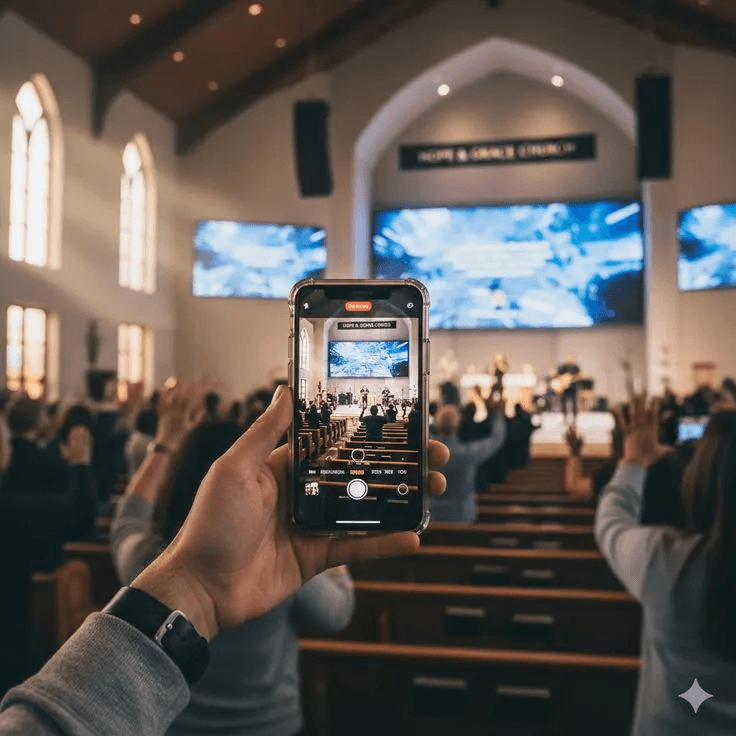

If your photography is stock imagery, blurry phone snapshots, or five years out of date, the answer your brand is giving before you've said a word may not be the one you want. This guide is for faith-based organizations and mission-driven nonprofits who want to walk into their next brand shoot with intention and leave with images that actually do the work.
Brand photography isn't event photography
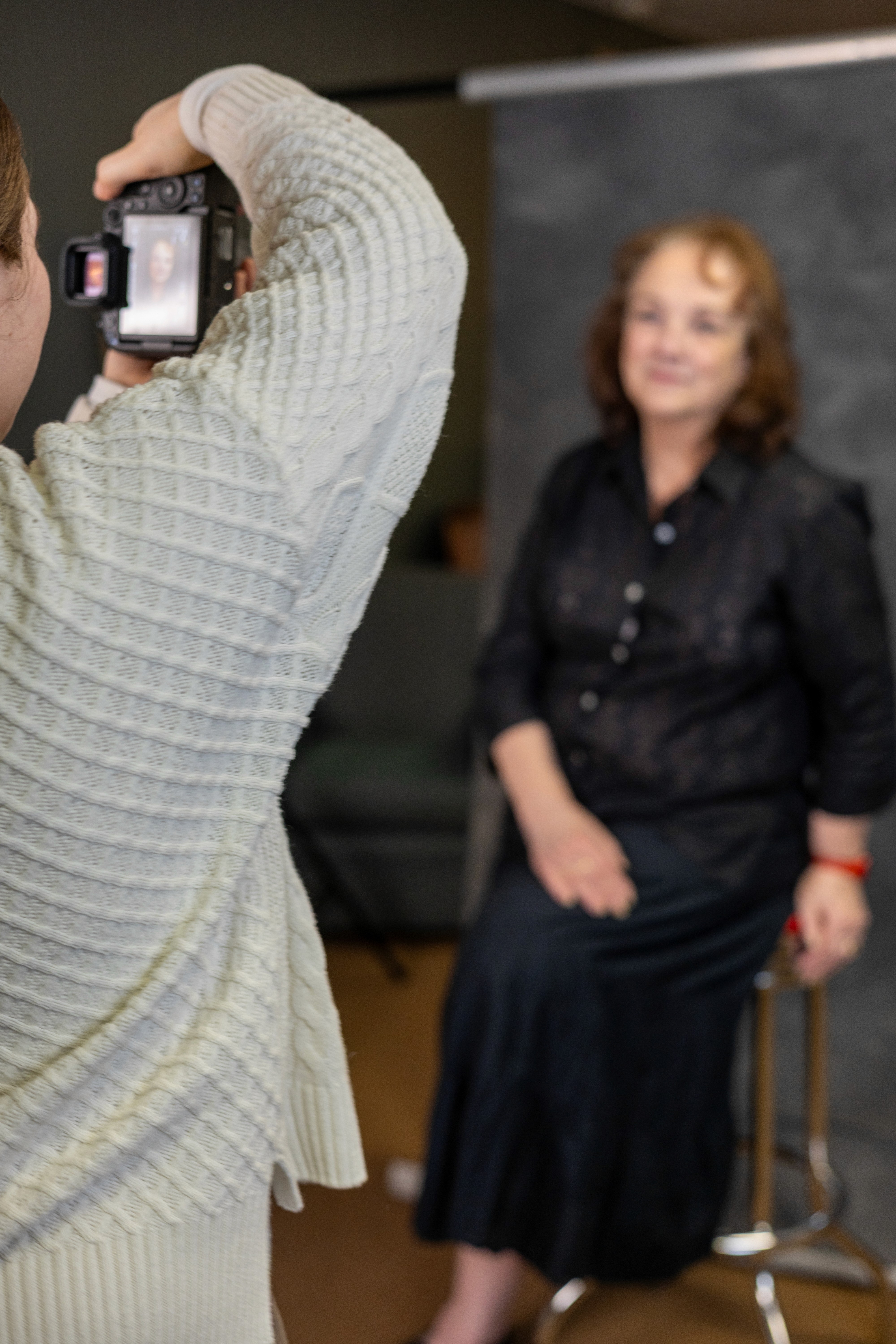
Most churches and nonprofits have plenty of photos. They just aren't brand photos. Event photography captures moments — the conference, the gala, the baptism, the service project — and those are worth documenting. Brand photography is planned, intentional imagery that communicates who you are, what you believe, and what it feels like to be part of your community. It's the difference between showing people what you do and showing them who you are.
Brand photos get used across your website, your giving campaigns, your social presence, your printed materials, and your pitch to donors and partners. They have to be consistent, high-quality, and on-brand, not just candid and well-exposed. See our post on Why Brand Photography Is Part of Your Visual Identity System.
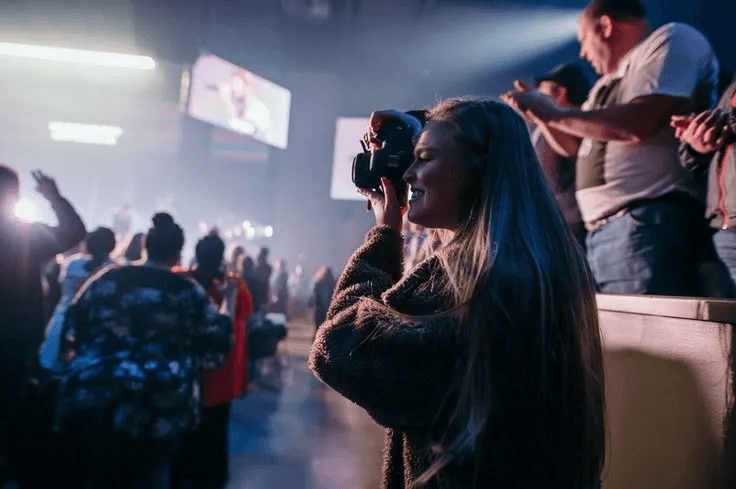
What to prepare before the shoot
Clarify the brand message first
Before anyone talks about shots or locations, get aligned on what you want people to feel when they see the images. A church planting a new campus communicates something different from a fifty-year-old cathedral congregation; a nonprofit focused on refugee support tells a different visual story than a campus ministry. Ask what your photos need to make people believe about you, write it down, and share it with your photographer.
Decide who's in the photos
For faith-based organizations, people are almost always the center of the story. Decide in advance whether you want staff headshots (formal, environmental, or both), community and congregation lifestyle shots, and how you want leadership portrayed — with authority, warmth, approachability, or all three. Name the specific faces, roles, or demographics you want represented, and get those people on the calendar early. A shoot that falls apart because key people aren't available is a wasted opportunity.
Choose locations that reflect your identity
Location communicates. Your sanctuary says one thing, your community garden another, the coffee shop where your small groups meet something else again. Think about which environments actually reflect your mission and values versus which ones are just convenient, and prioritize the former. It also helps to consider which of your spaces photograph well. High ceilings, natural light, and visual texture make a real difference. Your photographer can advise you, but a short list of candidate locations speeds things up.
Plan the shot list
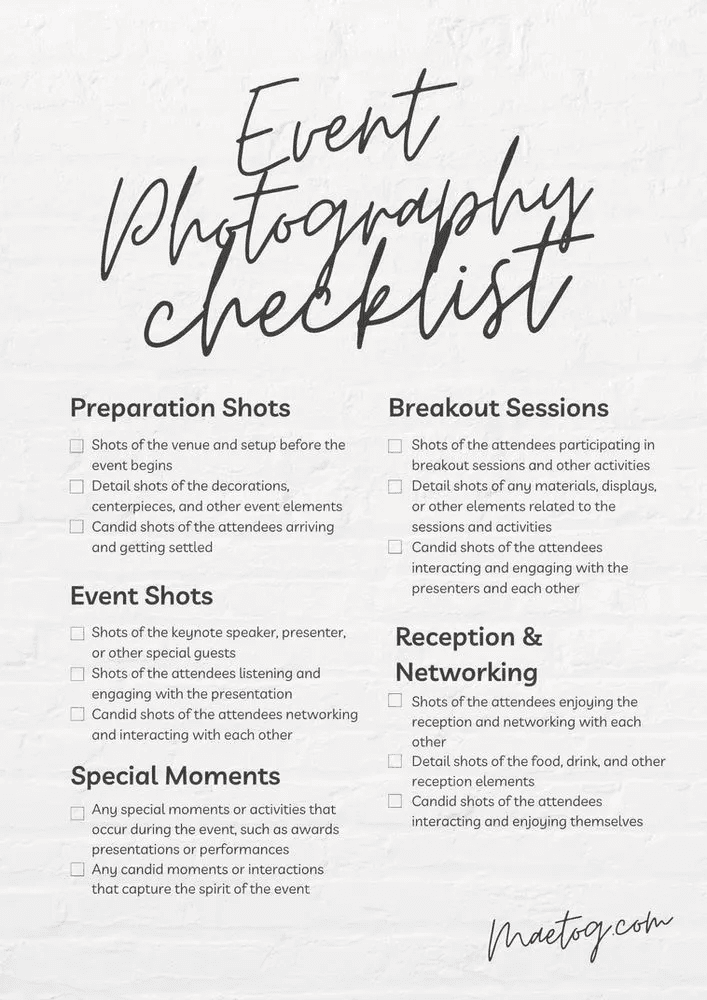
Work with your photographer on a prioritized list of the images you need. A basic starting list for a faith-based organization might include a pastoral or leadership portrait (formal and environmental), a team or staff group photo, the community gathered or in worship, people in service or mission activity, architectural and space details like the sanctuary or signage, and warm close-ups of hands, materials, and texture. A shot list keeps the day from turning into a free-for-all and missing key photos, and instead ensures you shoot what you need, not what’s convenient.
Coordinate wardrobe and styling
This doesn't mean everyone wears the same color. It means sending a few guidelines ahead of time: avoid busy patterns, coordinate loosely around your brand palette, and dress for the environment you're shooting in. For leadership portraits especially, wardrobe communicates character. A pastor in jeans and a linen shirt sends a different message than one in a blazer. Neither is wrong, but it should be a choice.
Brief your subjects
People who've never done brand photography usually feel awkward, so tell them what to expect: how long the shoot will take, what you'll be doing, and what's expected of them. For lifestyle and community shots, people who are relaxed and know what's happening photograph far better than people who feel like they're in the way. If you have natural storytellers or charismatic folks in your community, lean on them for the candid frames.
The day of the shoot
Give yourself buffer time, because shoots almost always run long; budget 20 to 30 minutes per setup. Have a point of contact on site who knows the shot list and can keep things moving. Capture variety at each setup — wide, medium, and close — since different crops serve different platforms. And resist art-directing too heavily in the moment. If you've done the upfront work, your photographer has what they need to make good calls.
Making the photos work harder afterward
Once the edited images are in hand, don't let them sit in a shared folder. Build a simple system: organize folders by use (website, social, print, campaigns), tag by subject (leadership, community, space, detail), and note usage rights and any restrictions. Brand photos have a shelf life, so plan to revisit your photography roughly once a year, or whenever your team, facilities, or positioning change significantly.
A word on the investment
Good brand photography isn't cheap, and for an organization that wants its brand to communicate at the level its mission deserves, it isn't really optional either. For organizations built on a Kingdom foundation, how you present the work is itself a form of stewardship. Showing up beautifully, consistently, and honestly is part of how you earn the trust of the people you're trying to reach.
At Horsfall Design Co., brand photography is one of the ways we help organizations bring their visual identity to life — on the website, in print, and across social. Book a Fit Check to talk about what your organization needs.
Let’s keep in touch.
Discover more about high-performance web design. Follow us on Twitter and Instagram.